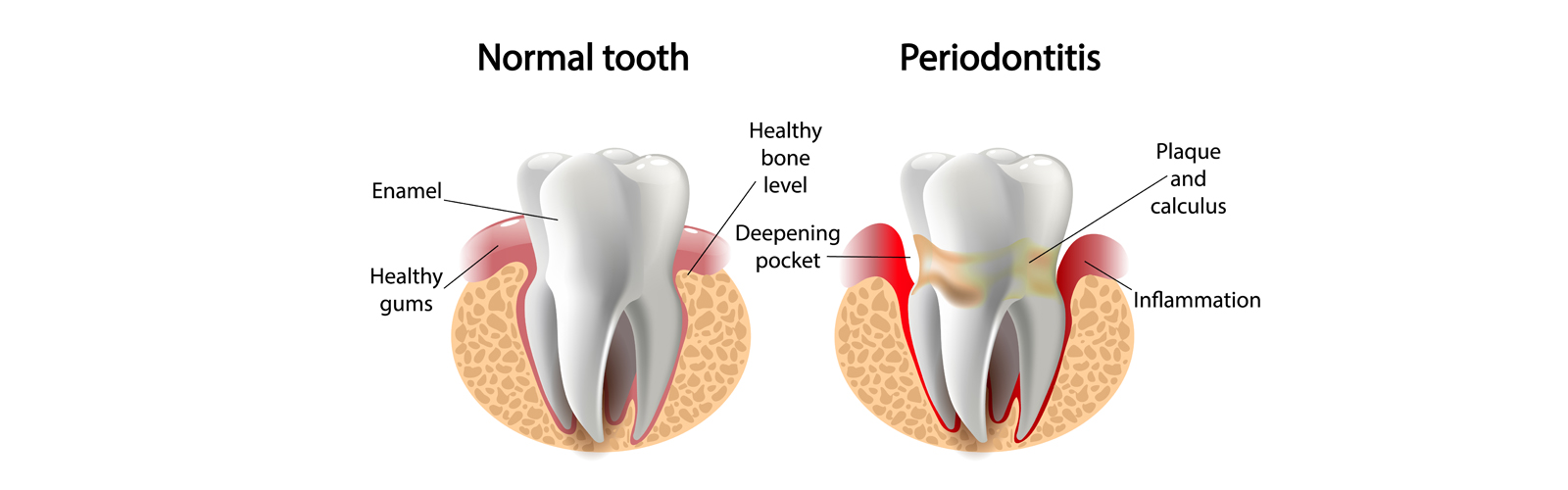
When it comes to oral health, most of us think about cavities and toothaches. But there’s another common issue that often goes unnoticed until it’s serious: gum disease. Also known as periodontal disease, this condition affects the tissues that surround and support your teeth—and if left untreated, it can lead to tooth loss and even affect your overall health.
Maintaining good dental hygiene is not just about having a bright smile—it’s crucial for overall health and well-being. Good dental habits help prevent a wide range of issues, from cavities and gum disease to bad breath and more serious health problems. Here are some essential dental habits that can lead to a lifetime of strong, healthy teeth. 1. Brush Your Teeth Twice a Day Brushing your teeth twice daily is the cornerstone of good oral hygiene. Here’s how to do it correctly: Use the Right Toothbrush : Choose a soft-bristled toothbrush that fits comfortably in your mouth. Replace it every three to four months or sooner if the bristles become frayed. Use Fluoride Toothpaste : Fluoride helps strengthen tooth enamel and prevent decay. Brush for Two Minutes : Spend at least two minutes brushing, ensuring you cover all surfaces of your teeth. Divide your mouth into quadrants and spend about 30 seconds on each. Brush at a 45-Degree Angle : Hold your toothbrush at a 45-degree angle to your gums and use gentle, circular motions. 2. Floss Daily Flossing is essential for removing plaque and food particles from between your teeth and along the gum line, areas your toothbrush can’t reach. Here’s how to floss effectively: Use About 18 Inches of Floss : Wrap most of the floss around your middle fingers, leaving an inch or two to work with. Slide Between Teeth : Gently slide the floss between your teeth, curving it into a C-shape against one tooth. Move it up and down to remove debris. Repeat for Each Tooth : Use a clean section of floss for each tooth to avoid spreading bacteria. 3. Use Mouthwash Mouthwash can help reduce plaque, fight gum disease, and freshen breath. Choose an antimicrobial or fluoride mouthwash and use it as directed, typically once or twice a day. 4. Eat a Balanced Diet What you eat affects your oral health. Incorporate these dietary habits: Limit Sugary and Acidic Foods : Sugary and acidic foods can erode enamel and lead to cavities. Enjoy them in moderation and rinse your mouth with water afterward. Eat Plenty of Fruits and Vegetables : Crunchy fruits and vegetables help clean your teeth and stimulate saliva production, which neutralizes acids and washes away food particles. Include Dairy Products : Foods rich in calcium, like milk, cheese, and yogurt, help strengthen your teeth. 5. Stay Hydrated Drinking water is crucial for overall health and oral hygiene. Water helps wash away food particles and bacteria, keeps your mouth moist, and prevents dry mouth, which can lead to tooth decay and bad breath. 6. Avoid Tobacco Products Tobacco use can cause a range of dental problems, including gum disease, tooth decay, and oral cancer. Quitting tobacco is one of the best things you can do for your oral health. 7. Visit Your Dentist Regularly Regular dental check-ups and cleanings are vital for maintaining oral health. Schedule visits every six months, or as recommended by your dentist, to catch and treat issues early. Professional cleanings remove plaque and tartar buildup that you can’t eliminate with brushing and flossing alone. 8. Protect Your Teeth If you participate in sports or grind your teeth at night, protect your teeth with a mouthguard: Sports Mouthguards : Wear a custom-fitted mouthguard to protect your teeth during contact sports. Night Guards : If you grind your teeth (bruxism), use a night guard to prevent wear and tear on your teeth. 9. Limit Snacks Between Meals Frequent snacking can increase your risk of cavities, especially if you choose sugary or starchy snacks. If you need a snack, opt for healthy choices like fruits, vegetables, or nuts, and brush your teeth or rinse your mouth with water afterward. 10. Use Dental Products as Directed Whether it’s toothpaste, floss, mouthwash, or any other dental product, follow the instructions for use. Using products correctly maximizes their effectiveness and ensures you get the best results. Good dental habits are essential for maintaining a healthy smile and overall well-being. By incorporating these habits into your daily routine, you can prevent dental problems, keep your teeth and gums healthy, and enjoy a bright, confident smile for life. Remember, it’s never too early or too late to start practicing good oral hygiene, so take the first step today and invest in your dental health .
Have you ever cringed at the thought of biting into ice cream or sipping on a hot cup of coffee, dreading the sharp twinge of pain that accompanies these simple pleasures? If so, you’re not alone. Tooth sensitivity affects millions of people worldwide, casting a shadow over everyday activities and diminishing the joy of eating and drinking. But why do our teeth become sensitive, and what can we do to alleviate this discomfort? Let’s find out why our teeth become sensitive. The Anatomy of Sensitivity To understand tooth sensitivity, we must first unravel the intricate anatomy of the tooth. Beneath the hard outer layer of enamel lies a softer, more sensitive tissue called dentin. When enamel wears away or recedes, either due to factors like enamel erosion, gum recession, or tooth decay, the dentin becomes exposed, leaving the nerves within it vulnerable to external stimuli. This exposure can trigger sharp, sudden pain when the affected tooth comes into contact with hot, cold, sweet, or acidic substances. Common Culprits A lot of factors can contribute to enamel erosion and gum recession, paving the way for tooth sensitivity to take hold. Some of the most common culprits include: Brushing Too Hard: Aggressive brushing can wear down enamel over time, leading to sensitivity. Acidic Foods and Beverages: Consuming acidic foods and beverages can erode enamel, exposing dentin and increasing sensitivity. Gum Disease: Gum disease can cause gums to recede, exposing the sensitive roots of the teeth. Grinding Teeth: Grinding or clenching teeth can wear down enamel and expose dentin, leading to sensitivity. Dental Procedures: Certain dental procedures, such as teeth whitening or dental cleanings, can temporarily increase tooth sensitivity. Prevention and Treatment While tooth sensitivity can be a frustrating and uncomfortable experience, there are steps you can take to prevent and alleviate it: Use a Soft-Bristled Toothbrush: Opt for a soft-bristled toothbrush and gentle brushing technique to minimize enamel wear. Avoid Acidic Foods and Beverages: Limit consumption of acidic foods and beverages, or rinse your mouth with water afterward to neutralize acids. Practice Good Oral Hygiene: Maintain a consistent oral hygiene routine, including brushing twice a day and flossing daily, to prevent gum disease and tooth decay. Use Desensitizing Toothpaste: Consider using desensitizing toothpaste containing ingredients like potassium nitrate or fluoride to help reduce sensitivity. Visit Your Dentist: Regular dental check-ups are crucial for identifying and addressing any underlying dental issues that may be contributing to sensitivity. Teeth sensitivity can cast a shadow over daily life, but armed with knowledge and proactive steps, you can reclaim the joy of eating, drinking, and smiling without fear of discomfort. By understanding the causes of teeth sensitivity and implementing preventive measures, you can safeguard your smile and enjoy a life free from dental discomfort. So, the next time you find yourself hesitating before indulging in your favorite treat, remember that with the right care and attention, teeth sensitivity doesn’t have to hold you back from savoring life’s simple pleasures.
In the realm of preventive dentistry, dental sealants stand out as a valuable tool in the arsenal against tooth decay. These thin, protective coatings offer a simple yet effective way to guard your teeth against the constant threat of cavities. In this blog post, we’ll dive into the world of dental sealants, exploring what they are, how they work, and why they are an excellent investment in the pursuit of optimal oral health. Understanding Dental Sealants: The Shield Against Decay Thin Protective Coatings: Dental sealants are thin, plastic coatings applied to the chewing surfaces of molars and premolars, where tooth decay is most likely to occur. Sealing Off Nooks and Crannies: The sealant material fills in the natural pits and grooves of teeth, creating a smooth surface that is less prone to trapping food particles and bacteria. Ideal Candidates for Dental Sealants: A Preventive Approach Children and Adolescents: Sealants are commonly applied to the permanent molars and premolars of children and teenagers as soon as these teeth emerge. Adults at Risk: While typically associated with younger populations, adults at a higher risk for cavities may also benefit from dental sealants. Application Process: Simple, Painless, and Quick Cleaning and Prepping: The tooth surface is thoroughly cleaned, and an acidic solution may be applied to create a rough texture for better adhesion. Sealant Application: The sealant material is then painted onto the tooth surface and sometimes cured with a special light to ensure proper bonding. Sealants and Oral Hygiene: Complementary Practices Not a Substitute for Oral Care: While sealants provide a powerful barrier against cavities, they are not a substitute for regular brushing, flossing, and professional dental cleanings. Enhancing Preventive Measures: Sealants work in conjunction with good oral hygiene practices to create a comprehensive defense against tooth decay. Durability and Longevity: Prolonged Protection Durable Shield: Dental sealants can withstand the forces of chewing and normal wear and tear. Long-Lasting Benefits: With proper care and maintenance , sealants can provide protection for several years. Cost-Effective Preventive Care: Investing in Your Smile Preventing Future Expenses: The cost of applying dental sealants is a fraction of potential expenses associated with treating cavities and other dental issues. Coverage and Accessibility: Many dental insurance plans cover the cost of sealants, making them an accessible and cost-effective preventive measure. Regular Check-ups: Monitoring Sealant Effectiveness Professional Assessment: Regular dental check-ups allow your dentist to monitor the condition of the sealants and reapply them if necessary. Adjusting as Needed: If a sealant shows signs of wear or damage, your dentist can take prompt action to maintain its effectiveness. Dental sealants are like invisible shields, providing a powerful defense against the persistent threat of tooth decay. By investing in this simple and painless preventive measure, you not only protect your teeth from cavities but also promote a lifetime of optimal oral health. Whether for yourself or your children, consider discussing the potential benefits of dental sealants with your dentist. After all, a little protection today can go a long way in ensuring a healthy, confident smile for tomorrow.
As we usher in the new year, it’s the perfect time to reflect on our habits and set resolutions that will contribute to our overall well-being. One often overlooked aspect of health is oral hygiene. This year, let’s commit to achieving a healthier, brighter smile by incorporating some simple yet effective resolutions for better teeth. Commit to Regular Dental Checkups: Start the year right by scheduling a dental checkup. Regular visits to the Arlington dentist are crucial for maintaining good oral health. Your dentist can identify potential issues early on and guide proper dental care. Upgrade Your Oral Care Routine: Reevaluate your oral care routine and make necessary adjustments. Invest in a high-quality toothbrush, fluoride toothpaste, and dental floss. Consider adding an antiseptic mouthwash to your routine for an extra layer of protection against bacteria. Master the Art of Brushing: Take a moment to reassess your brushing technique. Ensure that you are brushing for at least two minutes, covering all surfaces of your teeth. Use gentle, circular motions, and don’t forget to brush your tongue to eliminate bacteria that can cause bad breath. Embrace Flossing: If flossing isn’t already a part of your routine, make it a habit in the new year. Flossing helps remove plaque and debris from between your teeth, where your toothbrush may not reach. It’s a small step with significant benefits for your oral health. Mindful Nutrition for Healthy Teeth: Your diet plays a significant role in your oral health. Reduce sugary snacks and beverages, as they contribute to tooth decay. Instead, opt for crunchy fruits and vegetables, rich in vitamins and minerals that promote strong teeth and gums. Hydrate for Healthier Teeth: Drinking water not only keeps you hydrated but also helps rinse away food particles and bacteria that can lead to tooth decay. Resolve to drink more water throughout the day and limit your intake of acidic and sugary beverages. Quit Smoking: If you’re a smoker, consider quitting this habit in the new year. Smoking not only stains your teeth but also contributes to gum disease and oral cancer. Seek support from friends, family, or professionals to help you quit. Protect Your Teeth During Physical Activities: If you engage in contact sports or activities that pose a risk to your teeth, invest in a mouthguard. This simple device can prevent dental injuries and protect your smile during physical exertion. Explore Cosmetic Dentistry Options: If you’ve been considering cosmetic dentistry to enhance your smile, make this the year to explore your options. Teeth whitening, veneers, and other procedures can provide a confidence boost and improve the overall appearance of your teeth. Dreamworks Dental will be right by your side to guide you through cosmetic dentistry when you are ready. Stay Consistent and Patient: Remember, good oral health is a lifelong commitment. Stay consistent with your oral care routine, be patient with the results, and celebrate the small victories along the way. As we step into the new year, let’s prioritize our oral health and set resolutions that contribute to a brighter, healthier smile. By incorporating these simple habits into our daily routines, we can achieve lasting improvements in our oral hygiene and overall well-being. Here’s to a year of radiant smiles and optimal dental health!
Maintaining good oral health is a lifelong commitment, and the care our teeth and gums require changes as we age. From the first tooth that sprouts in childhood to the golden years of retirement, oral health plays a crucial role in our overall well-being. In this blog post, we’ll explore oral health tips tailored for different age groups to help you achieve a healthy and radiant smile throughout your life. Childhood (Ages 0-12): Establishing Healthy Habits Start Early: Begin oral care as soon as the first tooth erupts. Use a soft toothbrush and a smear of fluoride toothpaste for infants, gradually increasing to a pea-sized amount. Regular Dental Visits : Schedule the first dental visit by the first birthday. Regular check-ups help monitor development and catch any issues early. Balanced Diet: Encourage a diet rich in fruits, vegetables, and dairy. Limit sugary snacks and beverages to prevent cavities. 2. Teenagers (Ages 13-19): Navigating Orthodontics and Independence Orthodontic Care : Many teenagers undergo orthodontic treatment. Follow orthodontist recommendations for braces or aligners to ensure proper alignment. Oral Hygiene Routine: Reinforce the importance of brushing and flossing. Teens should brush twice a day with fluoride toothpaste and floss daily. Caution with Sugary Drinks: With more independence comes more choices. Encourage smart choices, especially regarding sugary drinks and snacks. 3. Adulthood (Ages 20-50): Juggling Work, Family, and Oral Health Regular Dental Check-ups : Maintain regular dental visits for cleanings, check-ups, and preventive care. Stress Management: High-stress levels can contribute to teeth grinding and other oral health issues. Practice stress-reduction techniques. Avoid Tobacco and Limit Alcohol: Smoking and excessive alcohol consumption can impact oral health. Quit smoking and drink alcohol in moderation. 4. Middle Age (Ages 51-65): Addressing Changes in Oral Health Gum Health: Pay attention to gum health. Gum disease becomes more prevalent with age. Brush gently and floss regularly. Check for Oral Cancer: Attend regular dental check-ups, and be aware of any changes in the mouth. Oral cancer risk increases with age. 5. Seniors (Ages 65 and above): Preserving Oral Health in Retirement Regular Dental Visits : Continue regular dental visits for cleanings and check-ups. Address any issues promptly. Proper Denture Care: If wearing dentures, clean them daily and visit the dentist regularly for adjustments. Stay Hydrated: Dry mouth is common among seniors. Stay hydrated and use oral moisturizers if needed. No matter your age, maintaining good oral health is a lifelong journey. By following these age-specific oral health tips, you can enjoy a healthy, beautiful smile at every stage of life. Remember, a healthy smile contributes not only to your physical well-being but also to your confidence and overall quality of life.
Maintaining good dental hygiene is essential for a healthy smile and overall well-being. As one of the leading dental offices in Arlington, Texas, we are committed to helping our patients achieve optimal oral health. In this blog post, we will share valuable dental hygiene tips that will help you keep your teeth and gums in pristine condition. By following these tips, you can enjoy a radiant smile that lasts a lifetime. Brush and Floss Regularly: The foundation of good dental hygiene begins with regular brushing and flossing. Brush your teeth at least twice a day, preferably in the morning and before bedtime, using a soft-bristled toothbrush and fluoride toothpaste. Remember to replace your toothbrush every three to four months or sooner if the bristles become frayed. Alongside brushing, flossing daily helps remove plaque and food particles from between your teeth, reducing the risk of cavities and gum disease. Choose the Right Toothpaste and Mouthwash: Selecting the right toothpaste and mouthwash can enhance your dental hygiene routine. Look for toothpaste that contains fluoride, as it strengthens your tooth enamel and protects against tooth decay. Mouthwash, on the other hand, helps kill bacteria and freshens your breath. Opt for an alcohol-free mouthwash to prevent dryness and irritation. Maintain a Balanced Diet: A healthy diet not only benefits your body but also contributes to good dental hygiene. Limit your consumption of sugary and acidic foods, as they can erode tooth enamel and lead to tooth decay. Instead, focus on incorporating fresh fruits and vegetables, lean proteins, and dairy products into your diet. These foods are rich in essential nutrients, including calcium and vitamin D, which promote strong teeth and gums. Stay Hydrated: Drinking plenty of water throughout the day is crucial for your dental health. Water helps wash away food particles and stimulates saliva production, which plays a vital role in neutralizing harmful acids and maintaining a healthy oral environment. Opt for fluoridated water whenever possible to give your teeth an extra boost of protection. Visit Your Dreamworks Dental Arlington Regularly: No dental hygiene routine is complete without regular visits to your trusted Arlington dentist. Schedule routine check-ups and professional cleanings every six months, or as recommended by your dentist. These visits allow your dentist to detect and address any potential dental issues early on, ensuring optimal oral health. Additionally, professional cleanings help remove plaque and tartar buildup that cannot be eliminated through brushing and flossing alone. Protect Your Teeth: If you participate in contact sports or grind your teeth at night, consider using a mouthguard or nightguard. These custom-made oral appliances provide essential protection and help prevent dental injuries and tooth damage. Talk to your Arlington dentist about your specific needs, and they will provide you with the appropriate appliance to safeguard your smile. Maintaining good dental hygiene is the key to a radiant smile and excellent oral health. By following these dental hygiene tips, you can take charge of your oral care and enjoy a lifelong confident smile. Remember, our experienced dental team in Arlington is here to support you on your journey to optimal dental health. Schedule your appointment today and let us help you achieve the smile you deserve.
The presence of microorganisms in your mouth is quite normal. Gum disease, on the other hand, might emerge when there is an accumulation of bacteria. Plaque is a film of bacteria that coats the teeth and can lead to gum disease if it is allowed to build up over time. Gingivitis is the name given to the earliest stage of gum disease. Inflammation of the gums is a hallmark of this condition, however, patients may or may not experience symptoms. It is possible to be suffering from gingivitis and be completely unaware of it. The dental surgeon, Arlington, Tx affirms that Gingivitis has the potential to develop into periodontitis if it is not treated. Gum disease has progressed to this more advanced stage. It can cause damage to the gums, which in turn can lead to the loss of teeth over time. In this blog, we will discuss the many signs and symptoms, as well as treatment and prevention methods for gum disease. What exactly is Gingivitis? Gingivitis, often known as inflammation of the gums, is a minor form of gum disease. It often results in very mild problems, some of which may come and go. If caught and treated on time, the condition can be reversed. Symptoms of Gingivitis: The following are some of the common signs of Gingivitis: Gingivitis frequently does not result in any discomfort other than these symptoms. Cure: The reduction of inflammation is the primary objective of the treatment. The treatment consists of: Oral hygiene: This includes cleaning and flossing your teeth on a consistent basis while also ensuring that you are employing the appropriate procedures. Your dentist will be able to instruct you on the correct way to brush and floss your teeth. Dental hygiene performed by a professional: Luckily if you live in Texas and have swollen gums you can visit Dreamwork’s dental and orthodontics clinic. Plaque and tartar will be removed from your teeth and gumline when you visit the dental surgeon, Arlington Tx. Mouthwash with antiseptic properties : This antibacterial mouthwash is available only with a doctor’s prescription and contains the ingredient chlorhexidine. What exactly is Periodontitis? Gingivitis, if left untreated, can develop into periodontitis, which is a more serious form of gum disease. Inflammation of the periodontium, which consists of the gum tissue and bone that hold your teeth in place, is known by the medical term periodontitis. The problem might worsen to the point where it causes teeth to become loose. Symptoms of Periodontitis: Periodontitis progresses via distinct stages. When diagnosed at a later stage, the symptoms tend to be more severe. The following are some of the symptoms of periodontitis: Cure It is necessary to receive extra therapy for periodontitis because it is an advanced stage of gum disease. Once more, the objective is to bring down the inflammatory response. The treatment consists of: Oral hygiene: Keeping up with your oral hygiene can help delay the progression of periodontitis and prevent further tooth loss. Dental hygiene is performed by a professional: A thorough cleaning will be performed by a dental surgeon, Arlington Tx . They will remove tartar and plaque from the teeth as well as from below the gum line, which will assist in the reattachment of the gums to the teeth. Antibiotics.: In more serious situations, your dentist may recommend taking antibiotics orally, or they may administer a topical antibiotic cream. Open surgery: Your dental surgeon, Arlington Tx will perform this surgery, which involves cutting open the swollen gums and cleaning the area around the base of the tooth. The gum tissue is then sutured back together using stitches so that it can reattach to the teeth. What are the steps that lead to Periodontitis from Gingivitis? If gingivitis is not treated, plaque can build up and spread to the gum line, which can lead to periodontitis. Toxins are produced by the bacteria that are found in plaque, and these toxins irritate and inflame the gums. This causes the body to go into a state of chronic inflammation, which in turn causes damage to the gum tissue and bone that hold the teeth in place. Periodontitis is the end effect of this. Gum pockets are formed when gum tissue deterioration causes the gums to move away from the teeth. These spaces have the potential to get contaminated by germs that are present in the mouth, resulting in even greater harm to the tissue. The gum pockets may become deeper as a result of the injury to the tissue. If the spaces between the teeth continue to widen, the teeth may become more mobile as a result of the loss of bone. If you have deeper pockets, it may be more difficult to reach the bacteria when you clean and floss your teeth. The best solution is to contact your dentist or look online for a dental surgeon, Arlington Tx , who can help you out. What exactly are the reasons that Gingivitis and Periodontitis occur? Plaque accumulation is the primary factor in the development of gingivitis and periodontitis. The sugars in your mouth are “digested” by the bacteria that are in the plaque, which subsequently produces waste byproducts. Your gums may become inflamed and irritated as a result of these substances. Additional causes of gum disease include the following: Hormone fluctuations: Alterations in hormone levels can cause an increase in the inflammatory response of gum tissue during pregnancy. In a similar vein, variations in hormone levels that occur during puberty may make gum tissue more vulnerable to inflammation caused by plaque. Medications: It may be possible for certain medications to cause gum enlargement, which would make it more difficult to clean one’s teeth. Other drugs may lessen the amount of saliva produced, which generally works to keep teeth clean and to keep bacteria under control. Nutrition: Gum disease inflammation can be made worse by either a deficiency in vitamin C or an excess of refined carbohydrates in the diet. Conclusion: These gum diseases can be prevented by Oral hygiene and dental cleaning. Periodontitis requires extra therapy. Periodontitis severity affects outlook. Early periodontitis is easier to manage. Early treatment lowers damage and tooth loss. Periodontitis may require extra dental surgeon, Arlington Tx visits so that they can check your condition . Both require home oral hygiene. Regular dental visits improve your appearance. Your dentist can spot gingivitis early at each appointment.
The terms “health” and “wellness” of the teeth are subject to frequent discussion in the field of dentistry. The influence that the foods we eat have on our dental health is a subject that bears special significance yet is frequently neglected. In this piece, we will go over some of the foods that are the absolute worst for your teeth, as well as some things you can do to lessen the impact certain meals have on your oral health. When it comes to your teeth and gums, the saying “you are what you eat” rings even more true. You are providing nourishment for more than just yourself when you consume beverages and foods that are high in starch or sugar. The Arlington dentists say that you are also providing food for the germs (bacteria) that are present in your mouth and have the potential to cause tooth decay and gum disease. Plaque is a thin film of bacteria and other things that is sticky and virtually undetectable. It coats each and every one of the surfaces of your teeth. Acids are produced whenever plaque in your mouth comes into touch with sugars or carbohydrates in your mouth. The Most Threatening food For The Teeth: There are certain foods that encourage tooth decay. Plaque formation can be reduced with the use of other foods. Following is a list of foods that should be pursued, as well as a list of foods that should be avoided. Your teeth are vulnerable to attack from these acids for at least 20 minutes after you have finished eating. The protective enamel that covers the surface of teeth can be worn away by repeated trauma. This will eventually result in tooth decay. Additionally, an inflammatory reaction is brought on by the bacteria that are found in plaque. This leads to the deterioration of the gums, bone, and other components that support the teeth in your mouth. Sugar: Sugar tops the list of foods that are the most detrimental to the health of your teeth. Sugar is harmful to our teeth and gums, in addition to being detrimental to our overall health, which is common knowledge. Bacteria in the mouth can turn sugar into acid after it has been ingested in the form of sugar. The enamel that protects our teeth is subsequently eroded by this acid, which ultimately results in cavities. You can always consult your Arlington dentists about the dental care routine that suits you the best. It is vital to routinely clean and floss your teeth, as well as to limit the number of sugary foods and drinks that you consume, in order to prevent the damage that can be caused by sugar. Candies And Chocolates: These are yet another type of food that is detrimental to the health of our teeth. Candy and chocolates like sugar, have a high concentration of sugar, and because it also adheres to our teeth, it is even more detrimental to our oral health. In addition, many types of candy are tough and crunchy, which can lead to the development of chips and cracks in our teeth. It is recommended to steer clear of candy altogether or to save eating it for exceptional events if you want to reduce the amount of damage it can do to your body. Potato Chips And Pretzels: Starchy foods like potato chips and pretzels might be detrimental to the health of your teeth. These foods have the propensity to become lodged in the pits and fissures of our teeth, making it challenging to remove them even with thorough cleaning and flossing on a regular basis. Sugars can also be formed from the breakdown of starchy foods, which is another factor that might contribute to tooth decay. It is crucial to brush and floss your teeth as soon as possible after consuming foods that are high in starch to reduce the amount of damage that can be caused by these foods. You can book an appointment with your Arlington dentists if you think that your teeth need professional cleaning. Citrus Fruits And Acidic Food: Acidic foods, such as citrus fruits and tomatoes, can also be harmful to our teeth because of their high levels of acidity. Because of the acid in these foods, the enamel on our teeth may become more pliable, which increases their susceptibility to injury. Additionally, acidic foods can induce pain and sensitivity, particularly in persons who already have acid reflux or who have other issues with their stomachs. Rinsing your mouth out with water after eating acidic foods and waiting at least half an hour before brushing your teeth is vital if you want to reduce the amount of tooth enamel erosion that will result from eating those foods. Coffee And Alcoholic Beverages: Coffee and alcoholic beverages both of these beverages have the potential to stain our teeth, turning them a yellow or even brown color. You can ask any dentists in Arlington and they will not approve the excess intake of coffee or soda drinks. These drinks are also capable of causing dry mouth, which can result in a variety of dental complications. It is essential to cut back on your use of alcoholic beverages and coffee and to promptly wash and floss your teeth after drinking any of these beverages in order to reduce the amount of damage that can be caused by these beverages. Final Thoughts: In the end, all we can say is that despite the fact that many of our favorite foods contain ingredients that are harmful to our teeth, this does not mean that we have to completely abstain from eating them. Instead, by taking the appropriate safety measures and maintaining a high standard of oral hygiene, we can continue to eat the foods we love while minimizing the negative effects on our teeth. Therefore, it is important to be conscious of the foods and drinks that you consume, to brush and floss consistently, and to pay your Arlington dentists regular visits for checkups and cleanings because doing so will guarantee that your teeth are in the healthiest condition possible.
A dental bridge can replace one or more natural teeth with one or more prosthetic (false) teeth in the event that you are missing one or more teeth. Crowns are often used for the teeth on each side of the missing tooth or teeth that support the pontic, also known as the false tooth, and the bridge is cemented into place. It fills in the space left by the tooth that was extracted. Dental bridges are a type of restorative dentistry service that can be used to restore either a single missing tooth or multiple teeth all at once. In spite of the fact that dental bridges have the potential to restore your full smile, they are not manufactured in a standard size that fits everyone. The benefits of having a bridge placed in your mouth can be felt almost immediately after consulting your dentist about the various options available and having one custom-made for your mouth. Have a discussion about it with trained dentists in Arlington to see whether or not it is suitable for you. You are able to regain the pleasure of eating after having a dental bridge placed because your gums are no longer exposed. Your bite will be uniformly distributed, which will prevent any of your remaining teeth from shifting out of place. A bridge helps you smile more brightly and retains the natural contours of your face while doing so. Who might possibly require a dental bridge? Dental bridges are an option for those who are missing one or more teeth in their smile. Tooth decay, gum disease, and injuries are the three most common reasons why people are missing teeth. Another possibility is that you were born without teeth due to a congenital disease that you were born with. You need to have healthy teeth on each side of the gap in your smile in order to acquire a dental bridge. Why is it necessary for you to have a dental bridge? Your teeth interact with one another. When a tooth is absent, the teeth that are adjacent to the gap may shift into position to fill it. The teeth in the jaw on the opposite side of the gap can similarly shift vertically in either direction. This can result in: The DreamWorks dental and orthodontics dentists in Arlington can help you with all of these dental problems. What other kinds of dental bridges are there to choose from? The following are the four primary categories of bridges: 1.) The traditional type of fixed bridges: The traditional type of fixed bridge is the most typical type of bridge. It may have two or more crowns and one or more filler teeth, all of which are attached to one another. The crowns ensure that the bridge stays in its proper position. Metal, porcelain fused to metal, or ceramics are the three traditional materials used in the construction of bridges. 2.) Cantilever bridges: Cantilever bridges are distinguished from other types of bridges in that the pontic section of the bridge is only connected to a single abutment tooth. People who have teeth on only one side of the gap have the potential to consider this alternative in certain cases. 3.) Resin-bonded bridges: If you are missing one or more front teeth, your dentists in Arlington may recommend a resin-bonded bridge as an alternative to a traditional dental bridge. Porcelain is bonded to metal or ceramic teeth, and it is held together by a metal or ceramic framework. Wings on either side of the bridge are attached to the teeth that are already in your mouth. 4.) Implant-supported bridges: An implant-supported bridge is the kind of dental bridge that is quite similar to what is known as a “conventional fixed bridge,” but rather than being cemented to the teeth, it is supported by implants. The alternative for dental bridge: A dental implant may be recommended in place of a bridge in certain situations by dentists in Arlington. A dental laboratory will build replacement teeth for you by using an impression of your mouth as a guide. The implant will be placed in your jaw by a surgeon. As time passes, the implants become a part of the jawbone and are eventually attached to the replacement teeth. Implants provide the benefit of not requiring support from any of the existing teeth in order to function properly. What should be expected throughout the process of having a typical dental bridge installed? In most cases, you’ll need to schedule at least two appointments with any of the well-experienced dentists in Arlington. The fundamental steps of the technique are as follows: 1) Preparation: Preparation of the abutment teeth occurs during your initial appointment when your healthcare professional will reshape the abutment teeth. In order to make space for the crown, they will remove some of the enamel and dentin from the tooth. 2) Impressions: Your healthcare professional will take impressions of your teeth or perform a digital scan of them. For the purpose of fabricating your bridge, fake teeth, and crowns, a dental laboratory will use the mold or scan as a model. During the time that your permanent bridge is being fabricated in the lab, you will have a temporary bridge that will cover the open spaces in your mouth. 3) Installation of the permanent bridge: During your second appointment, your dentist will take out the temporary bridge and then install the permanent bridge. Your provider will carefully examine the bridge and make any necessary modifications to ensure that it fits you in a manner that is comfortable. When should I next make an appointment with my primary care physician? If you notice changes in the way your bite feels or if eating becomes difficult, you should have your bridge checked. Get in touch with your healthcare professional if you experience any pain, redness, swelling, or bleeding around the bridge. Conclusion: When you’re missing teeth, it might be difficult to eat, speak, and even smile. Both the appearance and the function of your mouth can be improved with the help of a dental bridge. Dental bridges, which are used to fill up spaces created by lost teeth, can persist for a significant amount of time. Always practice proper dental hygiene and don’t miss your regular dentist appointments for cleanings. Make an appointment with one of the best dentists in Arlington to discuss the possibility of getting a dental bridge.
The miswak can be used to replace plastic toothbrushes with natural chewing sticks. It has been used for centuries in Africa and the Middle East, where it is still frequently used. Particularly in poorer locations where individuals can not pay for toothbrushes and toothpaste. The stick stems from the Salvadora Persica tree , the tree’s root or branch. All natural Miswak Teeth Cleaning Miswak is a traditional toothbrush made from the twigs of certain trees. In many parts of the world, it is used to replace toothbrushes. There are many benefits to using miswak. First, it’s more effective at cleaning teeth than a regular toothbrush. The miswak’s bristles are softer and more flexible, so they can get into your teeth’ nooks and crannies and remove plaque more effectively. Second, miswak is natural and environmentally friendly. The twigs used to make miswak come from sustainable sources, so you can feel good about using them. Finally, miswak is portable and easy to use. You can take it with you wherever you go, and it doesn’t require water or toothpaste. Chewing on the miswak for a few minutes will clean your teeth and freshen your breath. So if you’re looking for a more effective, natural, and convenient way to brush your teeth , miswak is the way to go! Miswak is as good as or even better than a toothbrush. Thus, take advantage of Miswak’s great qualities, significantly when natural products are growing and becoming more popular. Miswak’s benefits include minimizing plaque, enhancing teeth and gums, preventing cavities, whitening teeth, and freshening breath. Kids and adults alike will naturally want to use it. Parents must instill good oral habits in their children from a young age. Nevertheless, it is crucial to ask if kids can use Miswak. Miswak, all natural dental treatment for teeth cleaning What is the best time to begin using Miswak? The recommended age for kids is around two years old. When the child can comprehend guidelines and adhere to the appropriate use of Miswak, they are of legal age. To do this, one must be able to spit out any chewing stick residues. Adults must supervise children when using the Miswak. 70% of the participants used a miswak with a taper and a brush to clean all tooth surfaces. About 84.7% feel fresh, and teeth are whiter after using miswak. Nearly 84.7% prefer using miswak in combination with other teeth cleaning methods, which may have more benefits. – National Library of Medicine Chewing sticks like the Miswak have a mild taste, so kids who don’t like toothpaste will be more likely to use them. As a diversion for kids who need to stop thumb sucking, Miswak is also beneficial. The bristles are soft, and they gently clean teeth without harming gums. In addition, natural fluoride in Miswak protects their teeth from cavities , and chewing the chewing stick is similar to chewing sugarless gum, which can increase saliva production, thereby reducing the effects of plaque acids. Great for teens who use mouth guards as well! The World Health Organization supports using Miswak, and a research study by the company recommends that the chewing stick will continue to play a crucial function in oral healthcare. The content in this article is provided for educational and informational purposes only and is not intended for medical or health advice. A physician or other qualified health provider should always address any questions about a medical condition or healthcare goals. We may have affiliate links within this article. Thank you for your support.
Sports are an essential part of their lives for many adults and youngsters. Unfortunately, there have been numerous showstopping accidents in recent years. As the American Dental Association suggested, mouthguards should be worn by anyone who participates in sports with a risk of knocks to the face, regardless of age. It’s a safe way to play any sport that may involve contact. We are a dental office in Arlington, TX , and we see many cases of broken and chipped teeth due to impact. Why Use A Mouthguard? Using a mouthguard is one of the most cost-effective ways to protect your mouth from injuries. Mouthguards can cushion a blow to the face, decreasing the risk of broken teeth and injuries to the soft tissues of your mouth. In addition, a properly fitted mouthguard will keep your upper and lower teeth from banging together and prevent you from biting your tongue or lip. Choosing The Right Mouthguard There are three main types of mouthguards: ready-made, boil-and-bite, and custom-fitted. Ready-made mouthguards are the least expensive but offer the least protection and comfort. Boil-and-bite mouthguards can be fitted to your teeth at home using hot water to soften the material. What sporting activities should I use a mouth guard to play? There are a lot of sports that require mouthguards, but they should also be used for other tasks where injuries might occur. Contact Sports: Football, Boxing, Rugby, Martial Arts Collision Sports: Basketball, Hockey, Water polo, Lacrosse, Netball, Baseball, Softball, Squash, Soccer, Cricket. General Activities: BMX Bike Riding, Horseriding, Skateboarding, In-line skating, Trampolining, Water winter sports, Snow ski auto racing. Use a mouthguard while having fun and training, so you’re constantly secured versus mouth injury. Why do I require a mouthguard? “Every year, more than 5 million teeth are avulsed during sports activities, resulting in nearly $500 million in tooth replacement costs.1″ According to the Journal of the American Dental Association (JADA), 13-39% of all dental injuries are sports-related.” from Dentalcare.com The Sports Medicine Association reports that 50% of youngsters experience oral injury. It is a must for young sportspeople to wear a mouthguard due to the likelihood of sustaining a sports-related mouth injury. The mouthguard absorbs the shock of a blow to the face and decreases the possibility of cracked or damaged teeth. Injuries like these can result in work or school setbacks, agonizing and disfiguring, and may require costly and lengthy dental therapy. Consider the cost of a custom-fitted mouthguard as insurance against mouth injuries. Dental Mouth Guard for Dental Care There are two primary sorts of mouthguards: Custom-fitted mouthguards – skillfully fitted by your dental practitioner Over-the-counter or “boil-and-bite” mouthguards – offered by sporting activities and also drug stores stores Custom fitting your mouthguard correctly around your teeth and gums is crucial to getting the best protection—the better the fit, the better the defense. The American Dental Association highly suggests a custom-fitted mouthguard from your dental practitioner. It is not possible to protect against significant injuries with over-the-counter products. Custom-fitted mouthguards To make custom-fitted mouthguards, your dentist takes an impression of your teeth and then develops a plaster mold. Your physician can create a mouthguard with the ideal density, protection, and measurements. Custom-fitted mouthguards are: Tight-fitting, supplying optimal defense for gum tissues and also teeth Comfortable, which makes them easier to use while playing sports Shaped to enable you to speak without limiting your breathing Over-the-counter (” boil and also attack”) mouthguards Custom-fitted mouthguards are much more reliable at protecting you from significant mouth injuries than ones that are not. An uncomfortable mouthguard is a great deal much less comfy to use, and also, as some researchers recommend, several be a little much better than not putting on one in any way. The American Dental Association and Standards Australia do not advise non-prescription mouthguards. They might give a temporary option if there is no other option. How long does a mouthguard last? You ought to obtain your mouthguard examined every 12 months by your dental practitioner to ensure that it still fits appropriately and also hasn’t been harmed. In addition, youngsters should routinely replace their mouthguards as brand-new grown-up teeth come with them. Then, please take it to your regular oral examination to inspect it by a professional to ensure the guard is still protecting their teeth. Caring for a mouthguard Rinse in cool water after usage and also shop in a well-aerated plastic container Store it out of direct sunshine – mouthguards misshape it heats Rinse it sometimes in mouth wash Take your mouthguard along to your regular oral check-up Replace it if it obtains harmed Please set up an appointment if you have any questions about a mouth guard for your young teens playing contact sports. We will take care of your questions and provide them with a fitted guard to protect their bright smile at our dental office in Arlington or the surrounding DFW area.
Perhaps you are wondering if dental insurance is worth the cost. Here’s a list of common questions, and you’ll be an expert by the end of this article. Dental insurance is insurance that helps to cover the cost of dental care. It can include routine dental checkups Online Scheduling , cleanings, x-rays, and major dental work such as fillings, crowns, and implants . Many different dental insurance plans are available, each with its specific coverage. For example, some programs cover 100% of preventive care costs, while others require a deductible before coverage begins. Therefore, reading any dental insurance plan’s fine print before signing up is essential to understand what is and is not covered. But dental insurance and dental saving plans can be a great way to help reduce the cost of dental care. And that’s good news for your smile. How much does dental insurance cost? Dental insurance is a vital part of maintaining good oral health. It can help cover the cost of dental examinations, cleanings, screenings, and necessary dental work such as fillings, extractions, and crowns. Dental insurance plans typically have a monthly premium, an annual deductible, and co-payments for dental services. Depending on the type of plan, the benefits, and the dental services covered, dental insurance costs vary. For example, a basic dental insurance plan may have a lower monthly premium but a higher deductible, while a more comprehensive plan may have a higher monthly premium but cover more dental services. Ultimately, your best dental insurance plan will depend on your needs and budget. How do I get dental insurance? Dental insurance is a great way to keep your smile healthy and looking its best. Unfortunately, many dental insurance plans are out there, and it can be hard to know which one is right for you. It would help if you keep the following things in mind when choosing dental insurance: – Make sure the plan covers the dental services you need. Some plans only cover essential services, while others offer more comprehensive coverage. – Consider the cost of the plan. It is vital to choose a dental insurance plan that is within your budget. – Check the waiting period. Dental care coverage is unavailable at the beginning of some dental insurance plans due to a waiting period. Consequently, dental services may have to be paid for out of pocket. – Ask about discounts. Some dental insurance plans offer discounts for things like dental sealants or fluoride treatments. Be sure to ask about any available discounts so you can save money on dental care. How do dental insurance plans differ? Dental insurance plans come in many forms. For example, some programs may cover only primary dental care, while others may cover more extensive dental work. Therefore, choosing a dental insurance plan that meets your needs and is within your budget would be best. Most basic dental insurance plans, such as cleanings and X-rays , cover routine dental care. A yearly maximum benefit limit may also be set in dental procedures, indicating the amount paid each year. As a result, basic dental insurance plans typically have low monthly premiums and high deductibles. More comprehensive dental insurance plans may cover a broader range of dental services, such as fillings, crowns, and braces . As a result, these plans typically have higher monthly premiums and lower deductibles. Some comprehensive dental insurance plans also have an annual maximum benefit limit, which the plan will pay out during the year for dental services. How can I save money on dental care? There are a few ways to save money on dental care. One way is to get dental insurance. Dental insurance can help to cover the cost of dental exams, cleanings, and dental work. Another way to save money on dental care is to be proactive about dental hygiene. Regular dental checkups and cleanings are essential, as well as brushing and flossing regularly. Being proactive about dental hygiene can help prevent dental problems before they start, saving you money in the long run. Finally, don’t forget to take advantage of discounts and dental care specials. Many dental offices offer discounts for new patients or special services, so be sure to ask about any specials that may be available. You can save money on dental care if you follow these tips. – Consider a dental discount plan. Dental discount plans can help you save money on dental care by providing discounts on services from participating dentists. – Look for a dental insurance plan with no waiting period. Unfortunately, some dental insurance plans have a waiting period before they start covering dental services. As a result, you may have to pay out of pocket for dental services. – Ask about discounts. Some dental insurance plans offer discounts for things like dental sealants or fluoride treatments. Be sure to ask about any available discounts so you can save money on dental care. What are Dental Discount Plans? Dental discount plans are not insurance plans but can help you save money on dental care. Dental discount plans typically have a network of participating dentists who agree to provide discounts on their services to members of the plan. Dental discount plans usually do not have an annual maximum benefit limit, but they may have other limitations, such as a limit on the number of visits per year. What happens if I don’t have dental insurance? If you don’t have dental insurance, you may wonder about your options for dental care. The good news is that there are several ways to get dental care, even if you don’t have dental insurance. For example, many dental offices offer discounts for cash-paying patients, and many dental discount plans can help you save money on dental care. In addition, some government and non-profit programs provide dental care to low-income individuals and families. So, even if you don’t have dental insurance, you should be able to find dental care that is affordable and accessible. What’s the average cost of dental insurance? Dental insurance typically costs between $13 and $50 per month, depending on the plan type and the coverage level. There are, however, ways to save money on dental insurance. One way is to purchase a policy through a dental discount plan. These plans offer 10-60% discounts on dental services from participating providers. Another way to save on dental insurance is to buy a policy with a high deductible. You’ll need to pay out of pocket for dental services until you reach your deductible, but your dental insurance will cover a more significant portion. Lastly, some employers offer dental insurance as an employee benefit, so check with your company to see if this is an option. By comparing dental insurance plans and finding the one that best fits your needs, you can save on the cost of dental care. Why is dental insurance beneficial? Dental insurance can be a great way to offset dental care costs. You can reduce your out-of-pocket expenses for dental services by paying a monthly premium. Additionally, many dental insurance plans cover a portion of the cost of preventive care, such as teeth cleanings and X-rays. As a result, you can keep your dental costs down in the long run. However, there are some drawbacks to dental insurance to consider as well. For example, dental insurance plans often have waiting periods for certain services, such as orthodontics. As a result, you may have to pay for dental care upfront and wait for reimbursement from your insurance company. Therefore, weighing dental insurance’s costs and benefits is essential before deciding whether it is right for you. Are there other ways to get affordable dental care without an insurance company? Dental insurance can be a great way to get affordable dental care, but it’s not the only way. Several dental discount plans can offer significant savings on dental services. These plans work by negotiating discounts with participating dentists and then passing the savings on to members. In addition, several dental clinics provide low-cost or free dental care to qualifying patients. Finally, many dental schools offer reduced-cost dental care through their clinics. To find affordable dental care, make sure you explore all of your options. What does dental insurance cover? Dentists can include preventive and routine dental care in insurance and medically necessary procedures. Dental insurance plans cover most common procedures, including cleanings, X-rays, fillings, and extractions. In addition, dental insurance may also cover more expensive dentistry such as root canals and crowns. Of course, coverage levels vary depending on the dental insurance policy, so it’s essential to check with your insurer to see what is and is not covered. However, dental insurance can help make dental care more affordable. A final word about Dental Insurance There may be some doubt in your mind about the value of dental insurance. After all, dental care can be expensive, and it may seem like insurance adds another bill to your monthly expenses. However, there are several reasons why dental insurance is a good idea. First, dental insurance can help to cover the cost of preventive care, such as cleanings and exams. Maintaining good oral health and catching problems can prevent them from becoming severe (and more expensive to treat). In addition, dental insurance typically includes coverage for basic procedures such as fillings and extractions. And finally, most dental insurance plans have no waiting period, so you can start using your benefits immediately. So if you’re thinking about dental insurance, it’s worth considering the advantages. We have 5 offices throughout DFW and would love to answer any questions you may have.